Why Ait Ben Haddou Is More Than a Film Set
Why Ait Ben Haddou Is More Than a Film Set
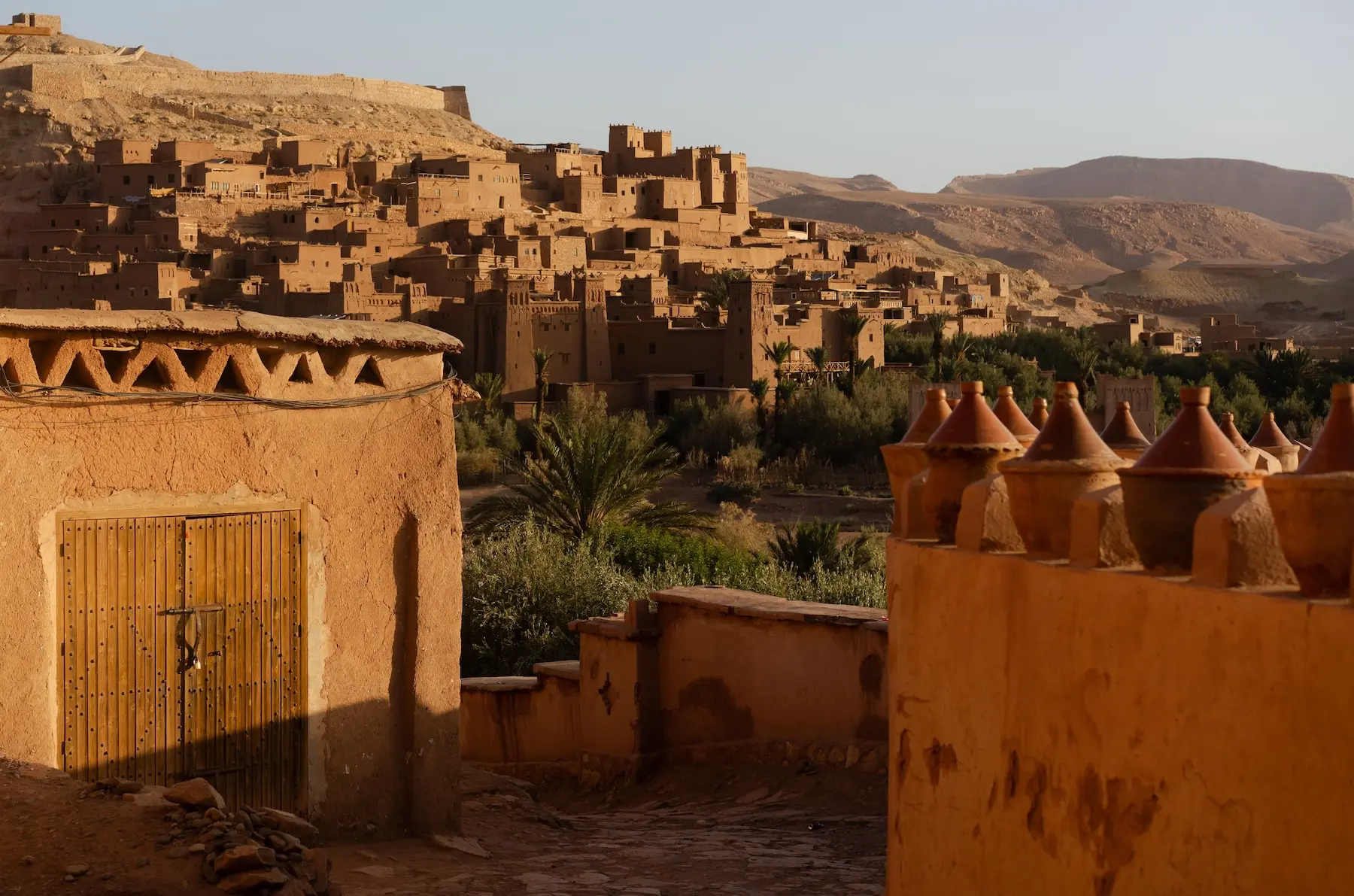
For many travelers, Aït Ben Haddou exists as a cinematic image—golden walls, desert light, a place briefly passed through on the way somewhere else.
But Aït Ben Haddou was never meant to be consumed quickly.
It is a ksar: a fortified earthen village built collectively, shaped by climate, trade, and community. Long before it became famous on screen, it was a vital stop along the caravan routes connecting the Sahara to the cities of northern Morocco.
To understand Aït Ben Haddou, you have to slow down.
What Is Ait Ben Haddou, Really?
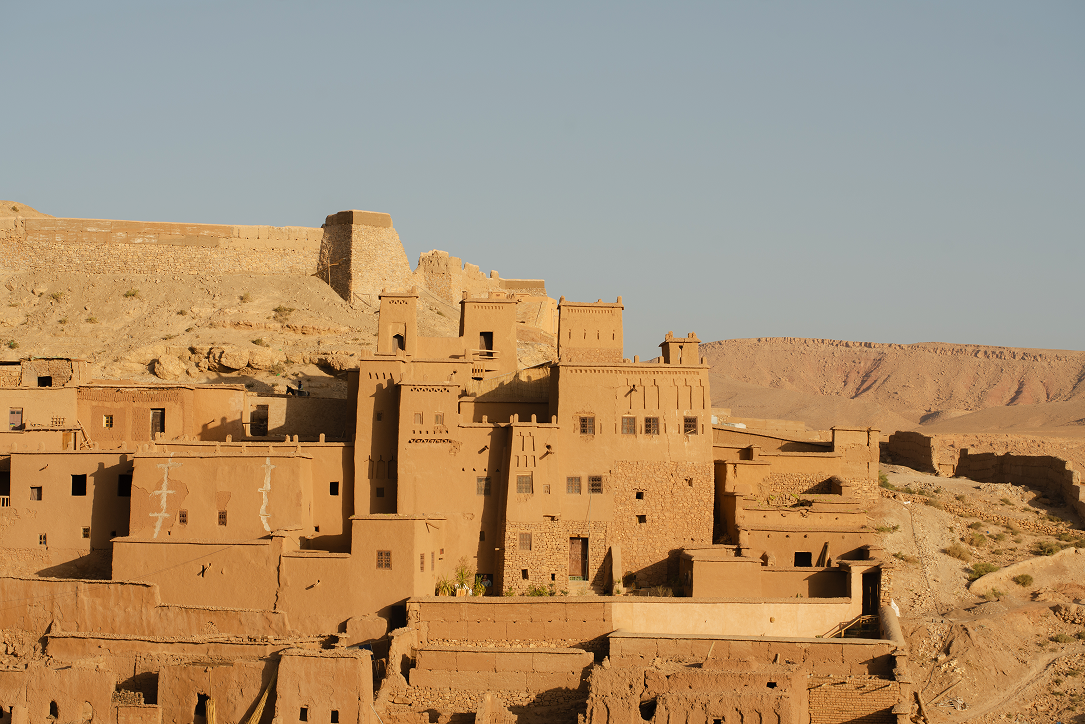
Aït Ben Haddou is not a single kasbah, but an entire historic village, constructed from rammed earth, clay, straw, and wood.
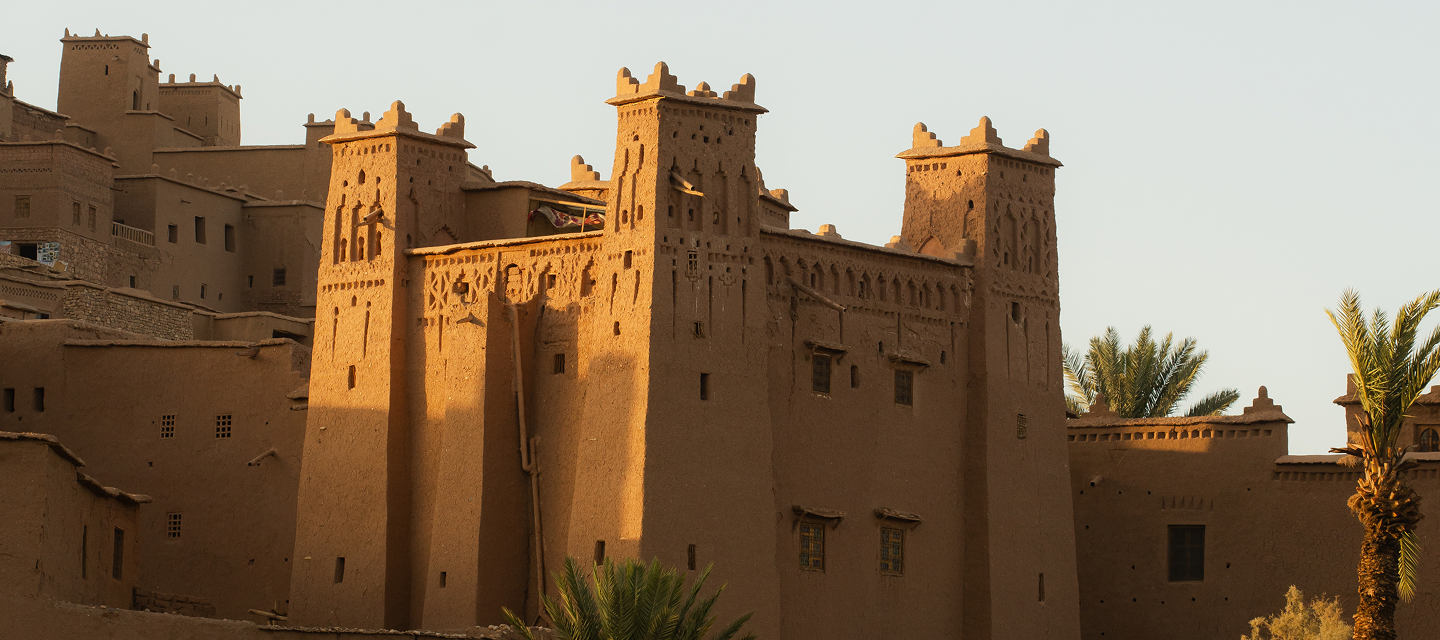
For centuries, families lived here together - sharing walls, food storage, and protection from the elements. Its architecture wasn’t decorative; it was intelligent. Thick earthen walls regulate temperature. Compact design minimizes heat and wind exposure. Towers served both defensive and communal purposes.
This is why UNESCO recognizes Aït Ben Haddou not just as a beautiful site, but as a masterclass in sustainable architecture, long before sustainability became a modern concern.
Life Beyond the Postcard
Midday, Aït Ben Haddou can feel busy. Tour groups arrive, photos are taken, and most visitors leave within an hour.
But early morning and evening tell a different story.
Children cross the river barefoot.
Smoke rises from bread ovens.
The call to prayer echoes softly against clay walls.
This is when the ksar feels alive again.
Staying nearby allows you to experience these moments—not as a spectator, but as a guest in the rhythm of daily life.
Morning vs Sunset: Two Completely Different Experiences
Sunset is what most people come for.
Golden light, sweeping views, and cinematic energy.
Morning is what very few people see.
Quiet paths. Cool air. A sense of stillness that feels almost sacred.
Walking through Aït Ben Haddou at sunrise is not dramatic—it’s intimate. And it’s often the moment travelers remember most.
Why Staying in Ait Ben Haddou Changes Everything
Most itineraries rush travelers back to Marrakech the same day.
That’s understandable—but it’s also the biggest missed opportunity.
Staying in Aït Ben Haddou means:
- Exploring the ksar before crowds arrive
- Experiencing true night silence under desert stars
- Using the village as a gateway to the Atlas Mountains and surrounding valleys
Instead of being a stop on a route, Aït Ben Haddou becomes a base.
Ait Ben Haddou as a Gateway to Southern Morocco
From here, the landscape opens outward toward desert landscapes.
The Ounila Valley stretches south in shades of red and green. Remote villages appear along the road. The desert begins to feel closer—not as a destination, but as a presence.
This region offers a version of Morocco that feels quieter, deeper, and far less performative.
It rewards travelers who are willing to stay put.
The TIZI Perspective
At TIZI, we believe places like Aït Ben Haddou are best experienced slowly.
Our approach to hospitality is rooted in:
- Architecture that blends into the landscape
- Design inspired by earth, shadow, and proportion
- Time as the ultimate luxury
We don’t see Aït Ben Haddou as an attraction.
We see it as a place to arrive and stay overnight.
Frequently Asked Questions About Ait Ben Haddou
Is Ait Ben Haddou worth visiting?
Yes—but it’s most meaningful when you spend at least one night nearby and experience it outside peak hours.
How much time should I spend in Ait Ben Haddou?
One to two nights allows you to see the ksar at sunrise, sunset, and in quiet moments.
Can you visit Aït Ben Haddou without a guide?
Yes. Independent exploration early in the morning or late afternoon is often the most rewarding.
Is Ait Ben Haddou touristy?
Midday can be busy, but mornings and evenings remain peaceful and authentic.
Closing Thought
Aït Ben Haddou doesn’t reveal itself all at once.
It asks for time.
For patience.
For presence.
Come for the UNESCO site.
Stay for the stillness.
ATLAS RUGS
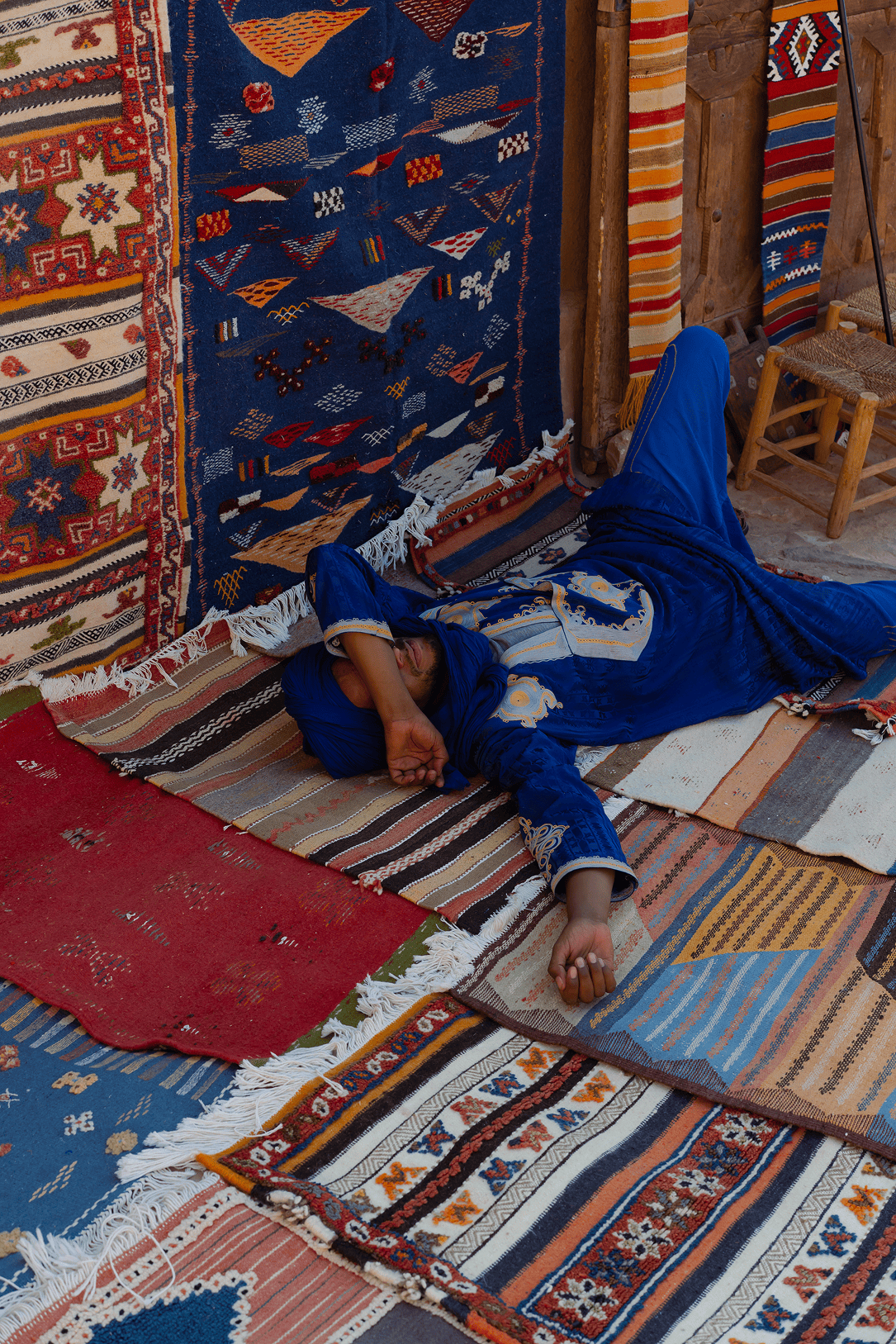
Discover original, one-of-a-kind Moroccan rugs handwoven in the Atlas Mountains, where tradition, craftsmanship, and storytelling are passed down through generations.
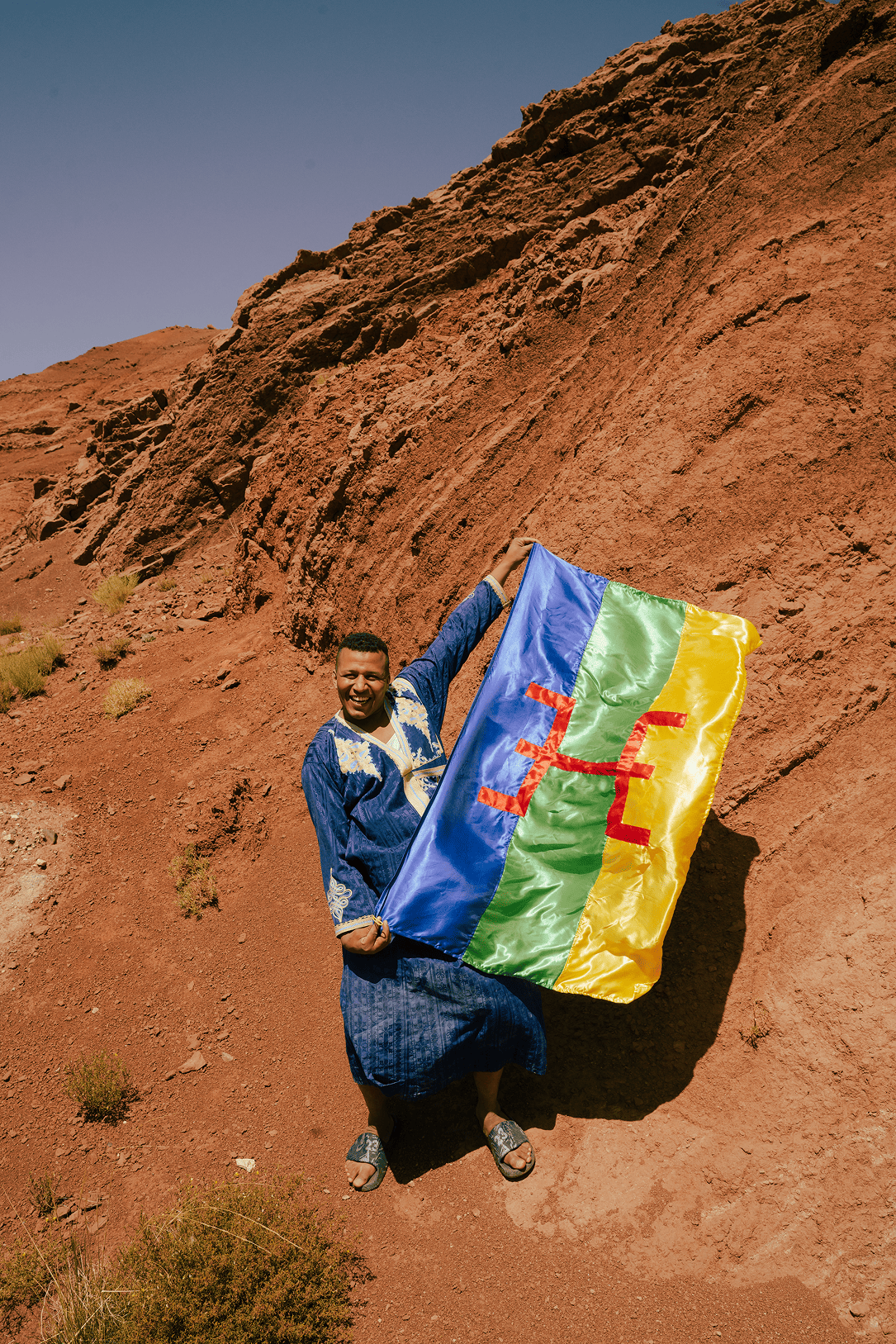
Each rug is made from natural wool, dyed with time-honored techniques, and carries the unique symbols and spirit of the Amazigh artisans who create them.
Sourced directly from small weaving communities, TIZI rugs are authentic, ethical, and imperfect in the most beautiful way-no two are ever the same.