The Atlas Mountains: A First-Timer’s Guide to Morocco’s Backbone
The Atlas Mountains: A First-Timer’s Guide to Morocco’s Backbone
Stretching diagonally across Morocco, the Atlas Mountains are more than a scenic backdrop.
They determine where people live, how villages are built, when crops grow, and how travelers experience the country. To cross the Atlas is to cross climates, cultures, and centuries in a matter of hours.
For first-time visitors, the Atlas can feel abstract - something seen from a car window on the way to the desert. But understanding these mountains changes how you understand Morocco itself.
What Are the Atlas Mountains?
The Atlas Mountains are not a single range, but a system of three main regions:
- High Atlas Mountains
- Middle Atlas Mountains
- Anti-Atlas Mountains
Each offers a completely different experience—geographically, culturally, and emotionally.
The High Atlas: Dramatic, Vertical, and Powerful
The High Atlas is what most people picture when they think of Moroccan mountains.
Snow-capped peaks, steep valleys, and terraced villages cling to rock faces. This is where Mount Toubkal—the highest peak in North Africa—rises above 4,000 meters.
What the High Atlas is known for:
- Hiking and trekking
- Alpine scenery
- Cooler temperatures in summer
- Traditional Berber villages
It’s stunning—but also physically demanding and increasingly popular. For travelers seeking adventure and elevation, it delivers. For those seeking quiet, it can sometimes feel intense.
The Middle Atlas: Forests, Lakes, and a Slower North
The Middle Atlas surprises many visitors.
Here, the landscape softens. Cedar forests replace rock faces. Lakes appear between rolling hills. Towns like Ifrane feel almost European in climate and layout.
What the Middle Atlas offers:
- Forest walks and wildlife
- Cooler, greener scenery
- A slower, rural pace
It’s less visited by international travelers, making it ideal for those who want nature without altitude extremes. Break the journey with an overnight stay in Ait Ben Haddou.
The Anti-Atlas: Quiet, Ancient, and Grounding
The Anti-Atlas runs through southern Morocco and feels fundamentally different from the other ranges.
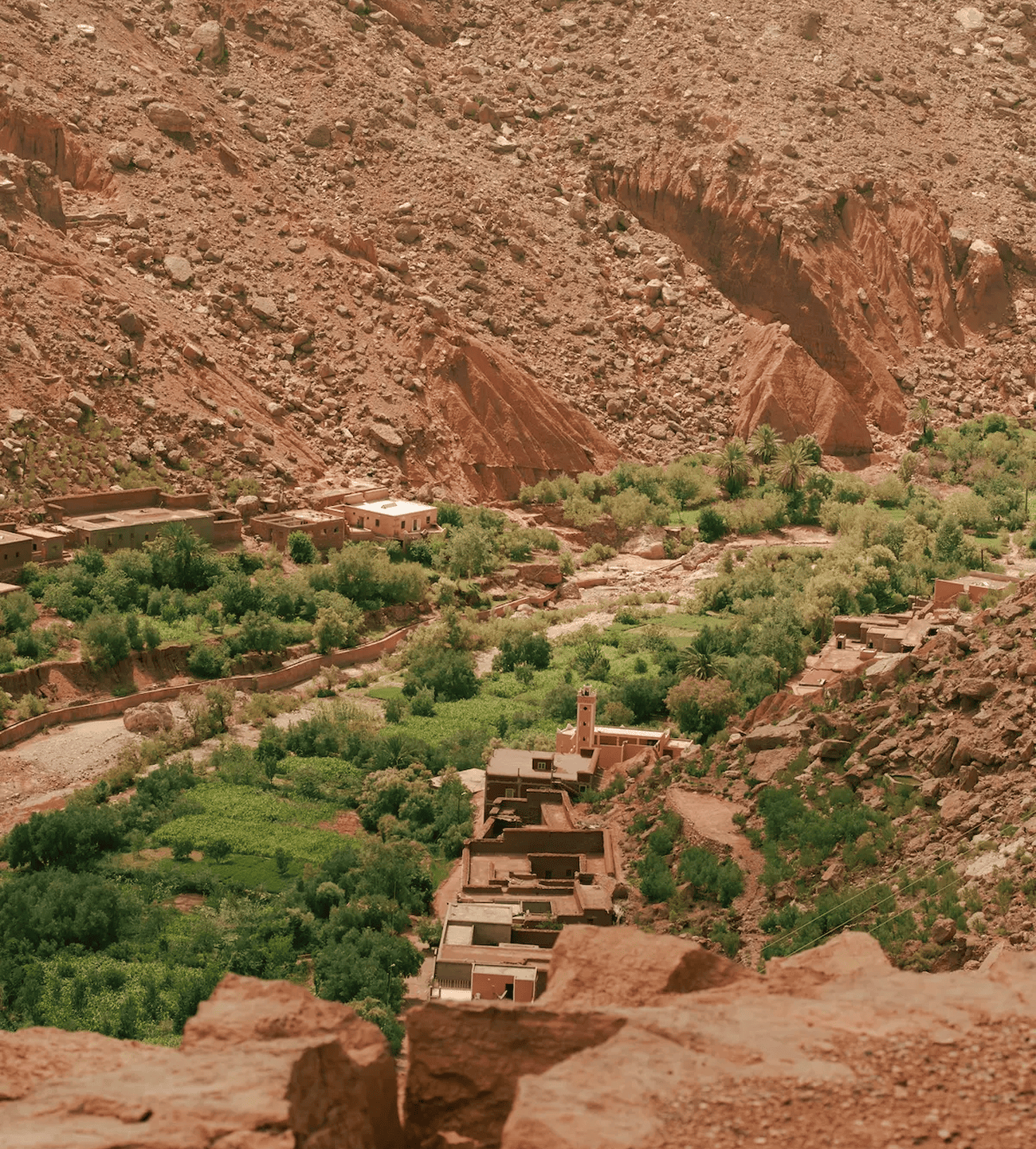
Lower in elevation but older in geology, these mountains are defined by earth tones, open space, and silence. Villages blend seamlessly into the landscape, built from the same clay and stone beneath them.
This is the region surrounding Aït Ben Haddou and the Ounila Valley.
Why travelers fall in love with the Anti-Atlas:
- Fewer crowds
- Warm winters and manageable summers
- Deep connection between architecture and land
- A sense of time slowing down
For many, this is where Morocco feels most authentic and emotionally resonant.
Atlas Mountains Culture: More Than Scenery
The Atlas Mountains are home to Amazigh (Berber) communities whose traditions predate modern borders.
Daily life here revolves around:
- Agriculture and seasons
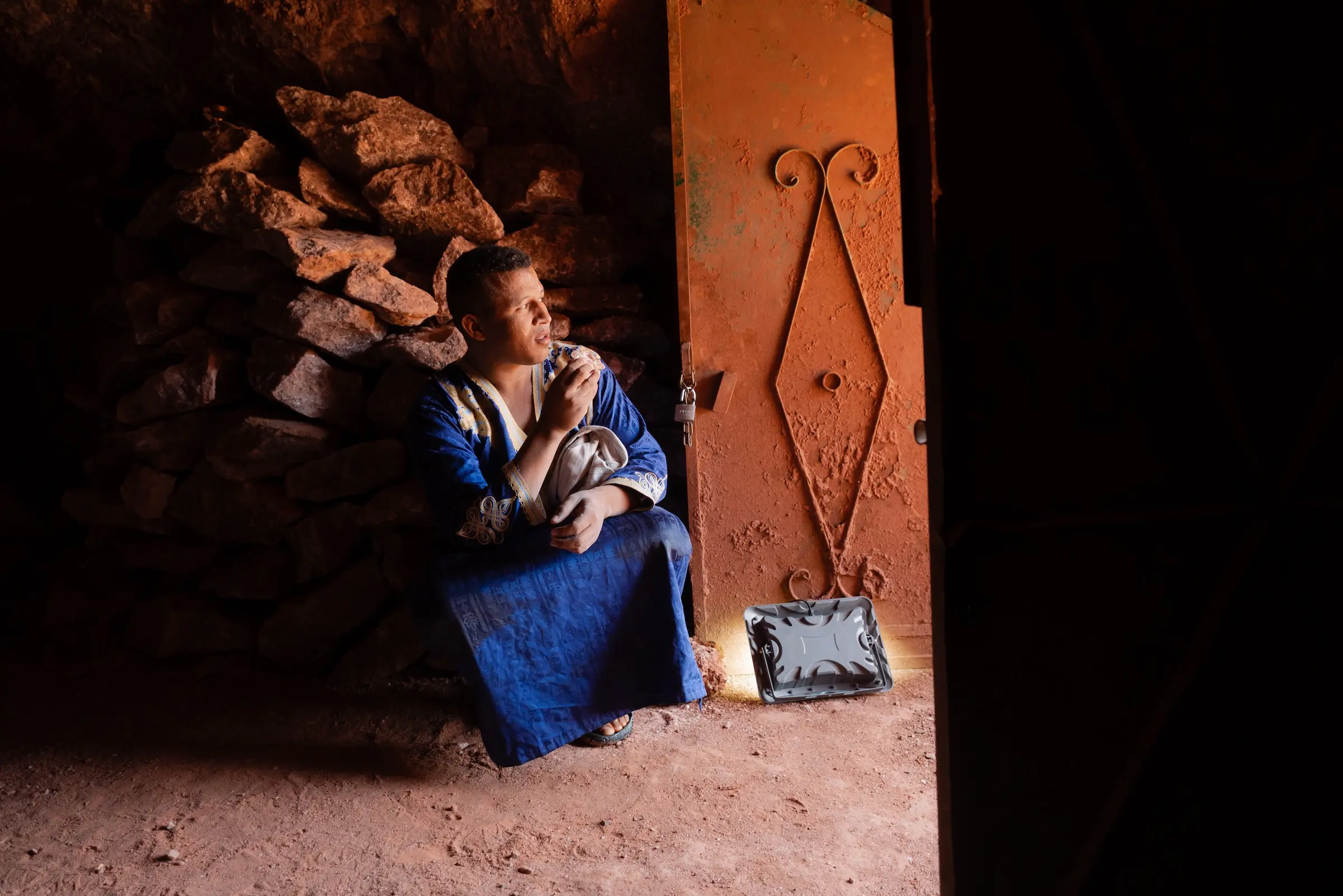
- Communal ovens and shared spaces
- Oral history and craftsmanship
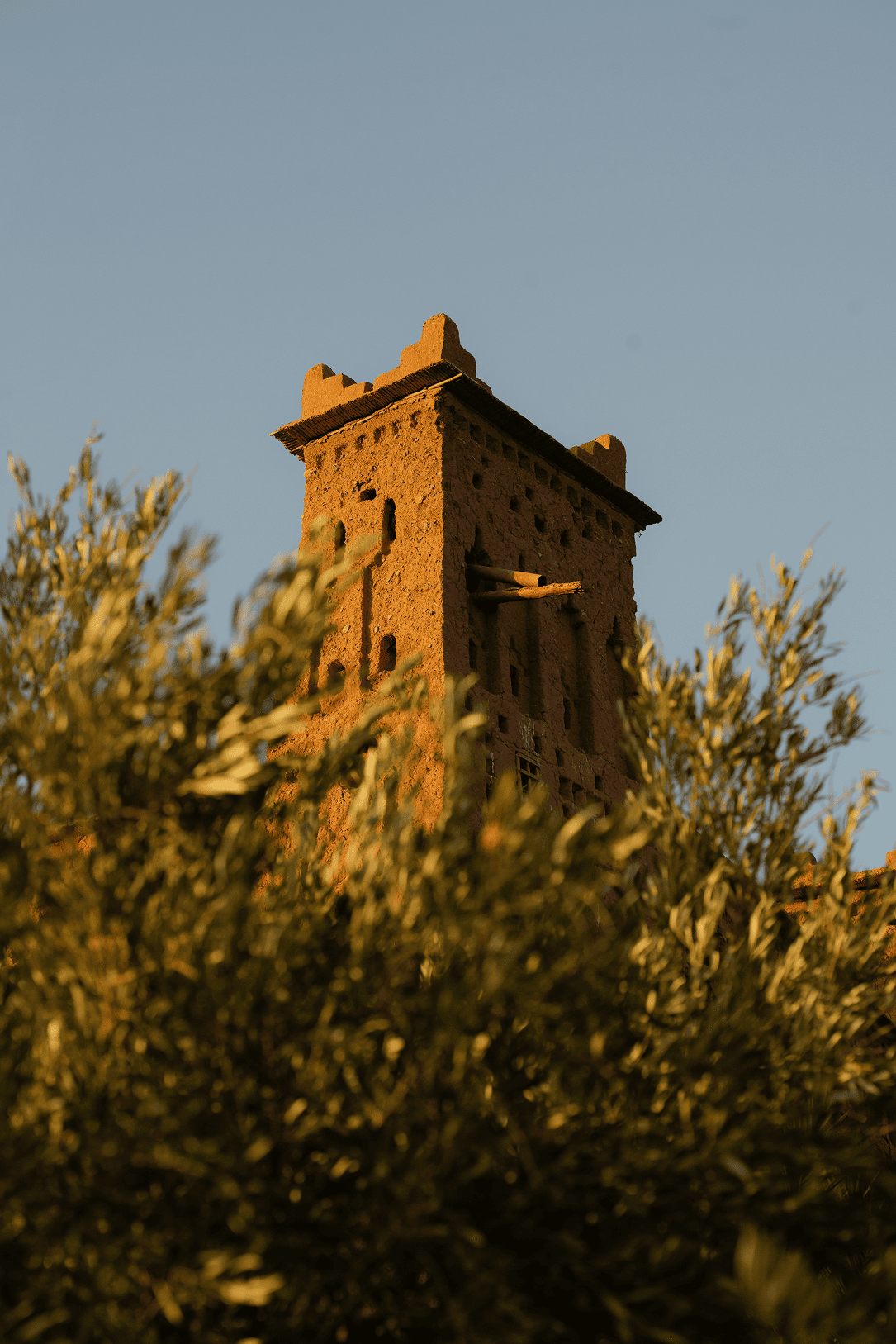
Architecture isn’t decorative—it’s practical. Homes are built thick and compact to protect against heat and cold. Villages are organized for cooperation, not spectacle.
Understanding this context turns a mountain drive into a cultural experience.
Where Should First-Time Visitors Go?
There’s no single “best” Atlas destination—only the right one for your travel style.
- For hikers & adventure: High Atlas
- For forests & mild climate: Middle Atlas
- For culture, design & slow travel: Anti-Atlas
If your goal is to experience Morocco beyond cities and tourist circuits, the southern Atlas regions offer a more grounded entry point.
%20(1).png)
Using the Atlas as a Base for Exploration
The Atlas Mountains are not a detour—they’re a connector.
From the southern ranges, you can:
- Travel toward the desert without rushing
- Explore kasbah routes and valleys
- Experience dramatic landscape shifts in short distances
Staying within the Atlas allows the journey itself to become part of the destination.
The TIZI Perspective
At TIZI, we see the Atlas Mountains not as scenery, but as structure.
They influence:
- Architecture and materials
- Climate-aware design
- A slower, more intentional rhythm of life
Our location near Aït Ben Haddou places us at the intersection of mountains, valleys, and desert—where travelers can experience Morocco from the inside out.
Frequently Asked Questions About the Atlas Mountains
Are the Atlas Mountains safe to visit?
Yes. The regions are generally safe, welcoming, and accustomed to travelers, especially when visited respectfully.
Do you need a guide in the Atlas Mountains?
For trekking, yes. For village exploration and road travel, not always—especially in the Anti-Atlas.
When is the best time to visit the Atlas Mountains?
Spring and fall are ideal. The Anti-Atlas remains comfortable even in winter.
Can you visit the Atlas Mountains as a day trip?
You can, but staying overnight offers a much deeper experience.
Closing Thought
The Atlas Mountains don’t demand attention.
They invite it.
To travel through them is to understand Morocco not as a list of places—but as a landscape shaped by patience, resilience, and earth.
Slow down.
Go inland.
Let the mountains set the pace.
ATLAS RUGS
Discover original, one-of-a-kind Moroccan rugs handwoven in the Atlas Mountains, where tradition, craftsmanship, and storytelling are passed down through generations.
Each rug is made from natural wool, dyed with time-honored techniques, and carries the unique symbols and spirit of the Amazigh artisans who create them.
Sourced directly from small weaving communities, TIZI rugs are authentic, ethical, and imperfect in the most beautiful way-no two are ever the same.