7 Slow Travel Experiences in Southern Morocco
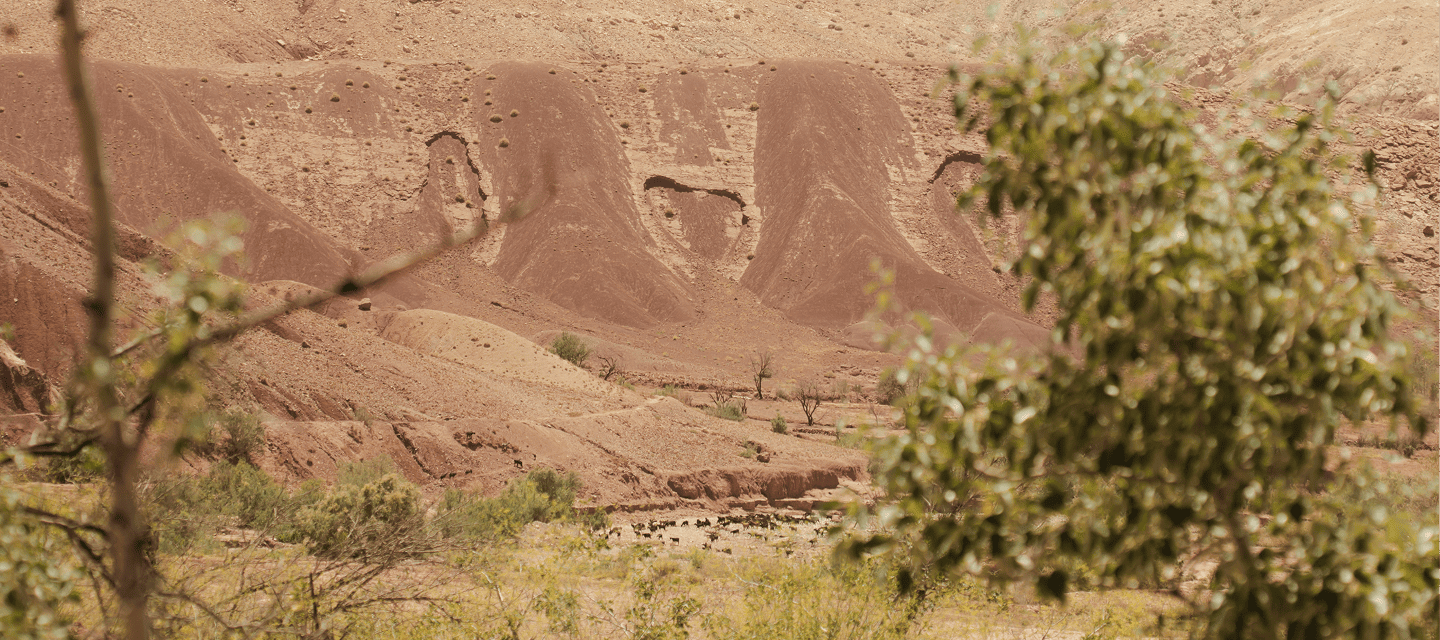
7 Slow Travel Experiences in Southern Morocco
Southern Morocco doesn’t reward speed.
It’s a region shaped by heat, distance, and patience—where landscapes open gradually and daily life follows rhythms far older than tourism. To rush through it is to miss its essence entirely.
Slow travel here isn’t about doing less.
It’s about doing things differently.
Below are seven experiences that reveal the soul of southern Morocco when you allow time to lead the way.
1. Crossing Aït Ben Haddou Before the Crowds
Most visitors encounter Aït Ben Haddou at its busiest.
But early in the morning, the ksar feels entirely different.
The river is quiet.
Footsteps echo softly.
The village belongs to itself again.
Crossing Aït Ben Haddou before the crowds arrive transforms it from a landmark into a lived place—one that reveals its scale, texture, and stillness.
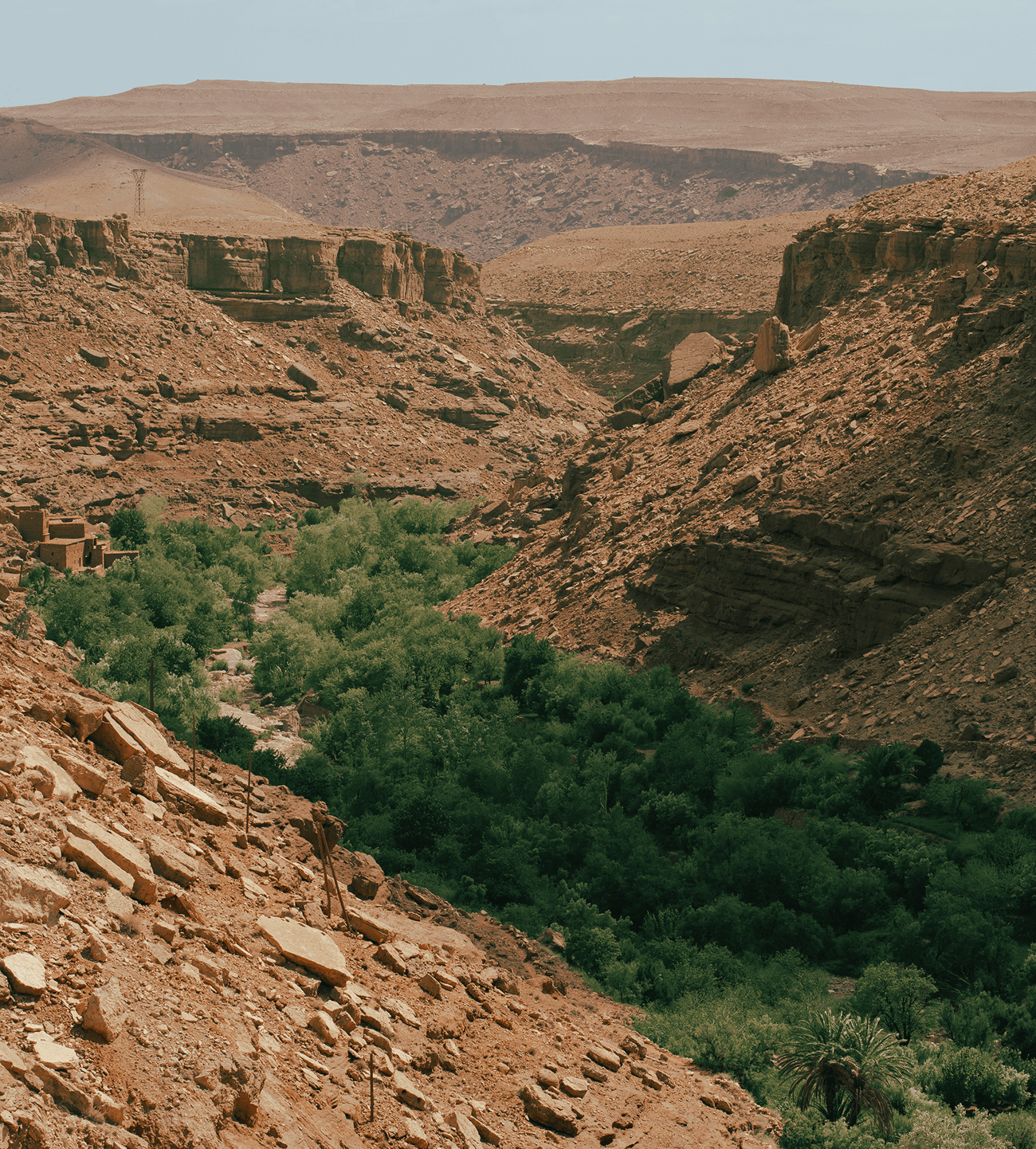
2. Walking the Ounila Valley Without an Agenda
The Ounila Valley stretches south from Aït Ben Haddou, winding through villages, gardens, and open desert plains.
There’s no checklist here.
You walk until you feel like stopping.
You sit when the light changes.
You turn around when the path suggests it.
This is slow travel in its purest form—movement guided by curiosity rather than itinerary.
3. Sharing Tea With People Who Aren’t Hosting You
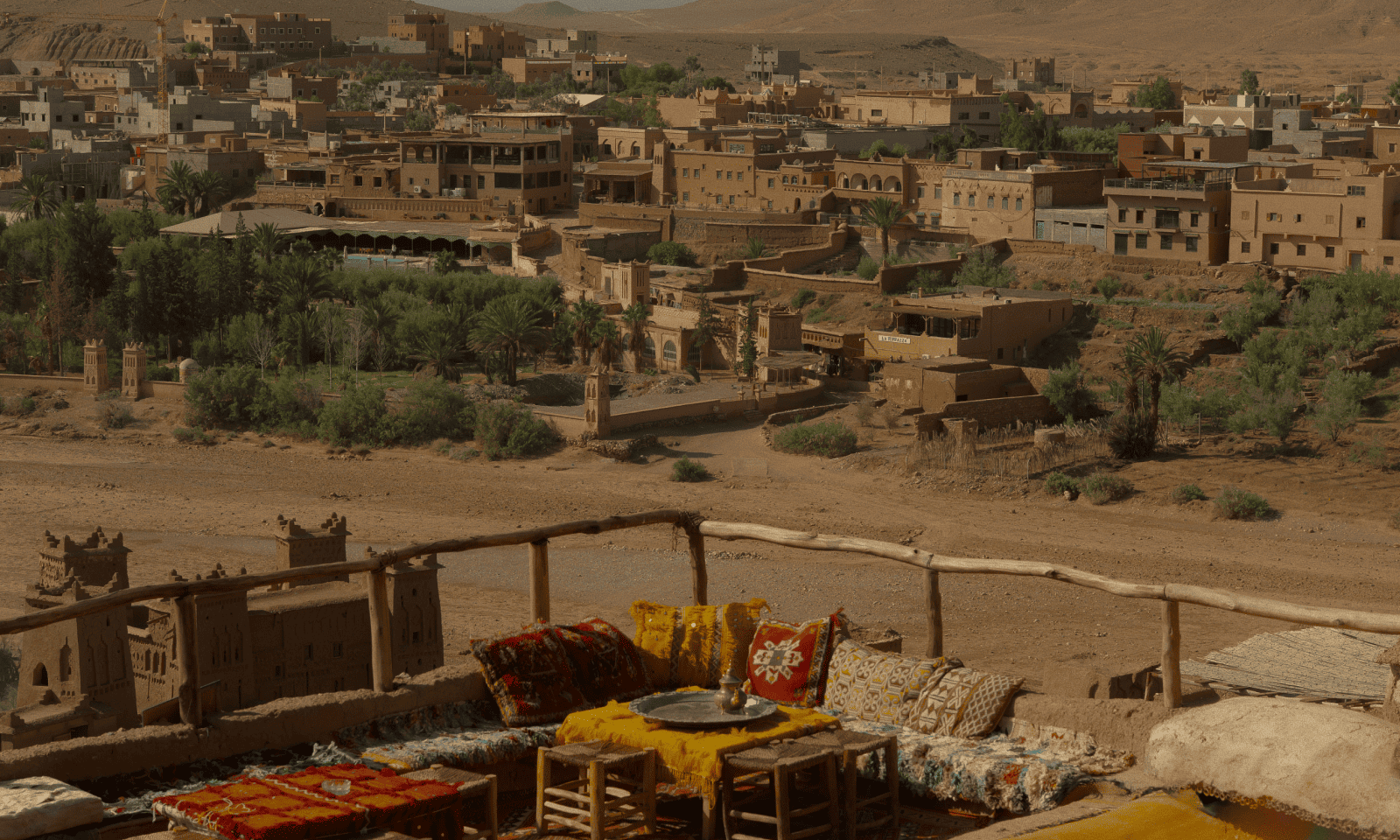
One of the most meaningful experiences in southern Morocco is also the simplest: tea.
Not the kind served in hotels—but the kind shared casually, without performance. Tea offered because you’re there, not because you booked something.
These moments rarely come from rushing.
They come from lingering.
4. Eating Bread From a Communal Oven
In many villages, bread is still baked in shared ovens.
Families bring dough in the morning. Conversations happen naturally. Everyone waits.
Eating bread warm from a communal oven grounds you instantly—it tastes of place, effort, and routine.
It’s a reminder that food in Morocco is as much about process as it is about flavor.
5. Sitting in Silence at the Desert’s Edge
You don’t need towering dunes to feel the desert.
Near Aït Ben Haddou and the southern Atlas, the land opens into wide, quiet expanses where sound disappears and scale becomes difficult to measure.
Sitting here—without conversation, without distraction—is one of the most powerful experiences southern Morocco offers.
Silence becomes an environment.
6. Watching Light Change in the Atlas Mountains
The Atlas Mountains are never static.
Morning light softens edges.
Midday flattens the land.
Evening brings warmth back into stone and clay.
Watching this shift—without needing to photograph it—creates a deeper relationship with the landscape than any viewpoint stop ever could.
7. Ending the Day Without a Plan
In southern Morocco, nights are not programmed.There are no schedules for stargazing.
No curated “experiences.”
Just darkness, sky, and space.
Ending the day without an agenda—allowing fatigue and silence to guide you—is often when the region makes the most sense.
Why Slow Travel Matters Here
Southern Morocco has never moved quickly.
Its architecture, agriculture, and social life evolved around endurance—not efficiency. When travelers adopt that same pace, the region opens itself fully.
Slow travel here isn’t a trend.
It’s alignment.
The TIZI Perspective
At TIZI, we design for travelers who value depth over density.
Our approach is rooted in:
- Fewer activities, more meaning
- Space for silence
- Experiences that happen naturally, not on demand
Southern Morocco doesn’t need to be improved.
It needs to be given time.
Frequently Asked Questions About Slow Travel in Morocco
Is slow travel safe in southern Morocco?
Yes. The region is welcoming, calm, and well-suited to independent exploration.
Do you need a guide for slow travel experiences?
Not always. Many of the most meaningful moments happen without formal structure.
How long should you stay to experience southern Morocco slowly?
At least 2–3 nights in one area allows the rhythm to settle.
Is slow travel suitable for first-time visitors?
Absolutely—especially for travelers seeking authenticity over spectacle.
Closing Thought
Southern Morocco does not compete for attention.
It waits.
For travelers willing to slow down,
to listen,
and to stay longer than planned.
This is where Morocco feels most itself.
ATLAS RUGS
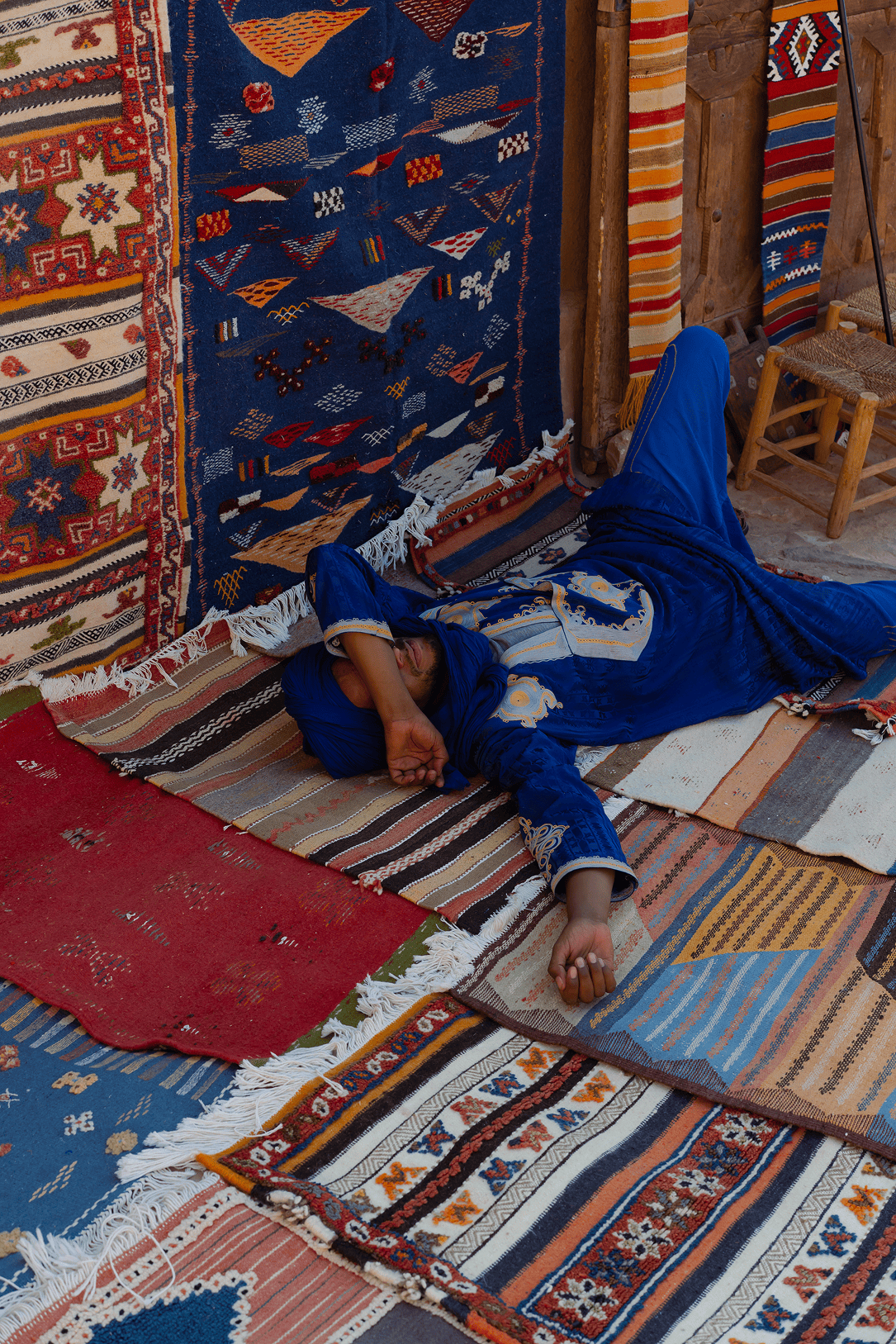
Discover original, one-of-a-kind Moroccan rugs handwoven in the Atlas Mountains, where tradition, craftsmanship, and storytelling are passed down through generations.
Each rug is made from natural wool, dyed with time-honored techniques, and carries the unique symbols and spirit of the Amazigh artisans who create them.
Sourced directly from small weaving communities, TIZI rugs are authentic, ethical, and imperfect in the most beautiful way-no two are ever the same.