A Design Lover’s Guide to Moroccan Architecture
A Design Lover’s Guide to Moroccan Architecture
Moroccan architecture doesn’t shout.
It endures.
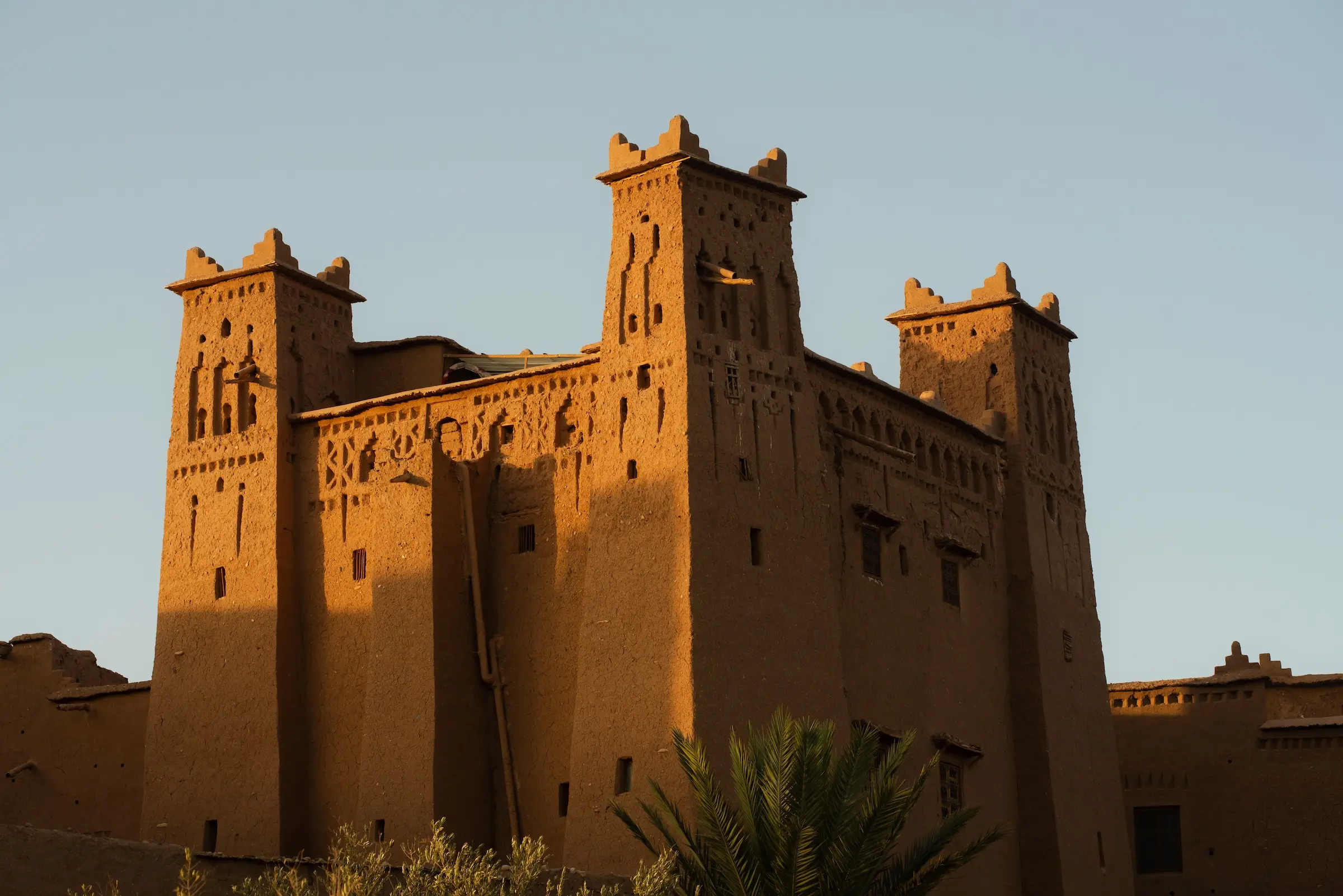
Built for heat, wind, community, and time, Morocco’s structures evolved from necessity—not trend. What many visitors admire today as “aesthetic” was originally a response to climate, materials, and collective living.
For designers, architects, and travelers drawn to spaces with soul, Morocco offers one of the world’s most coherent and human approaches to building.
Architecture as Climate Intelligence
Before air conditioning, before concrete, before glass façades—Moroccan builders mastered passive design.
Key principles include:
- Thick earthen walls for thermal regulation
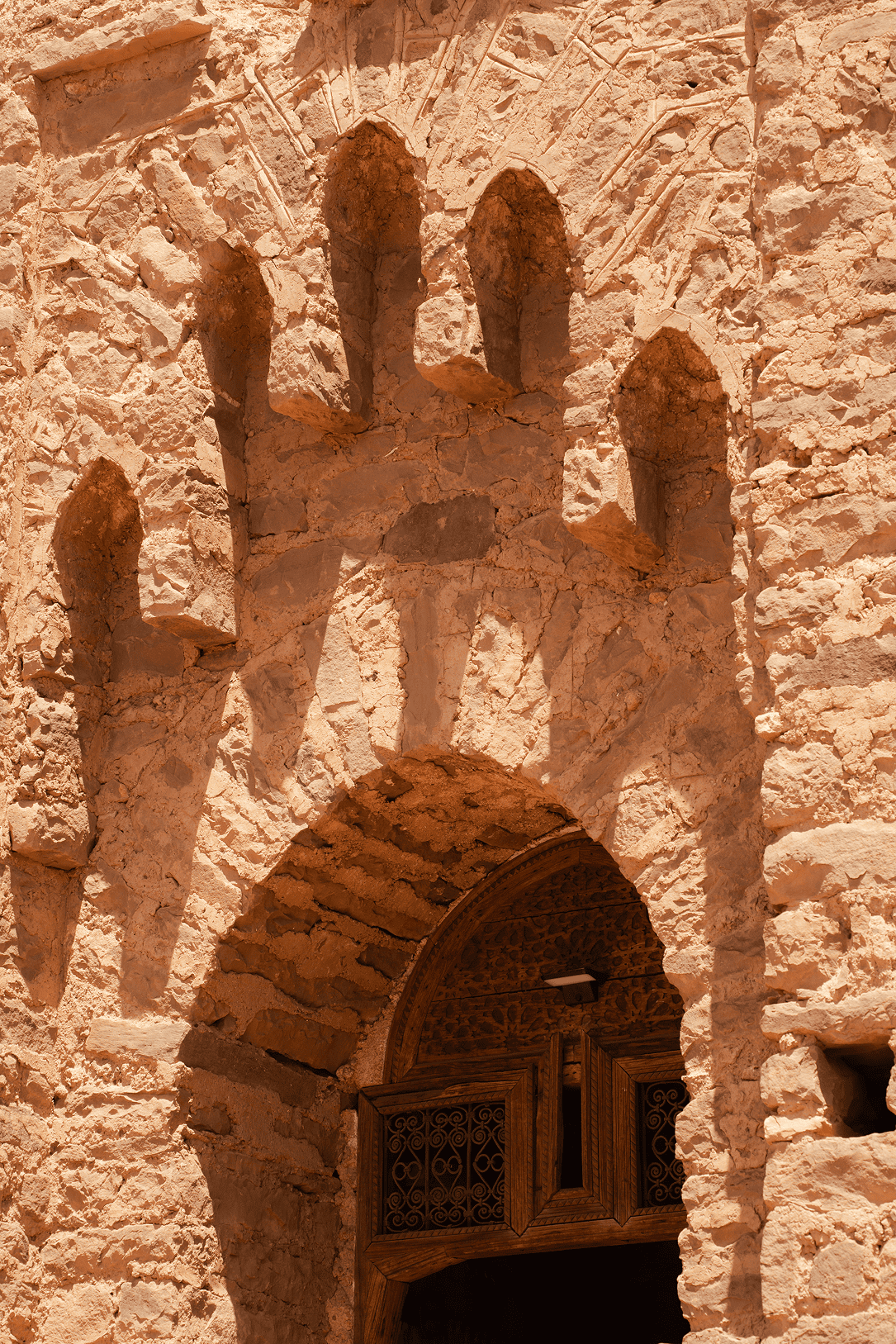
- Small openings to control light and heat
- Courtyards for airflow and privacy
- Materials sourced directly from the land
This is architecture that works with its environment, not against it.
Kasbah, Ksar, and Riad: What’s the Difference?
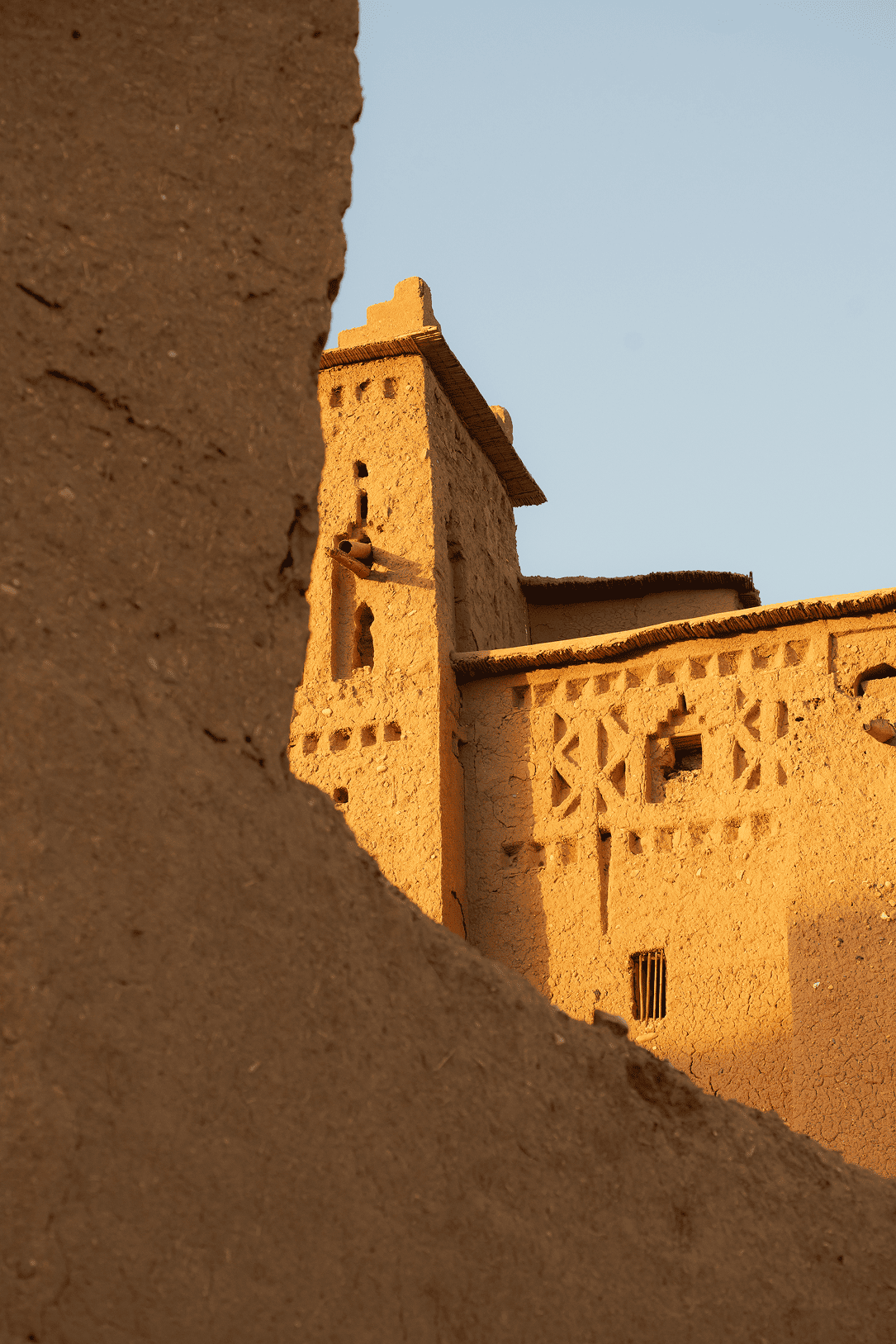
Understanding Moroccan architecture starts with language and you will live in architectural experience staying in Aït Ben Haddou.
Kasbah
A fortified home or structure—often belonging to a family or local leader. Built for protection and status.
Ksar
A collective fortified village.
Aït Ben Haddou is the most famous example, but many exist across southern Morocco.
Riad
An inward-facing home built around a courtyard, common in cities like Marrakech and Fez.
Each form reflects a different relationship between privacy, community, and environment.
Earth as a Building Material
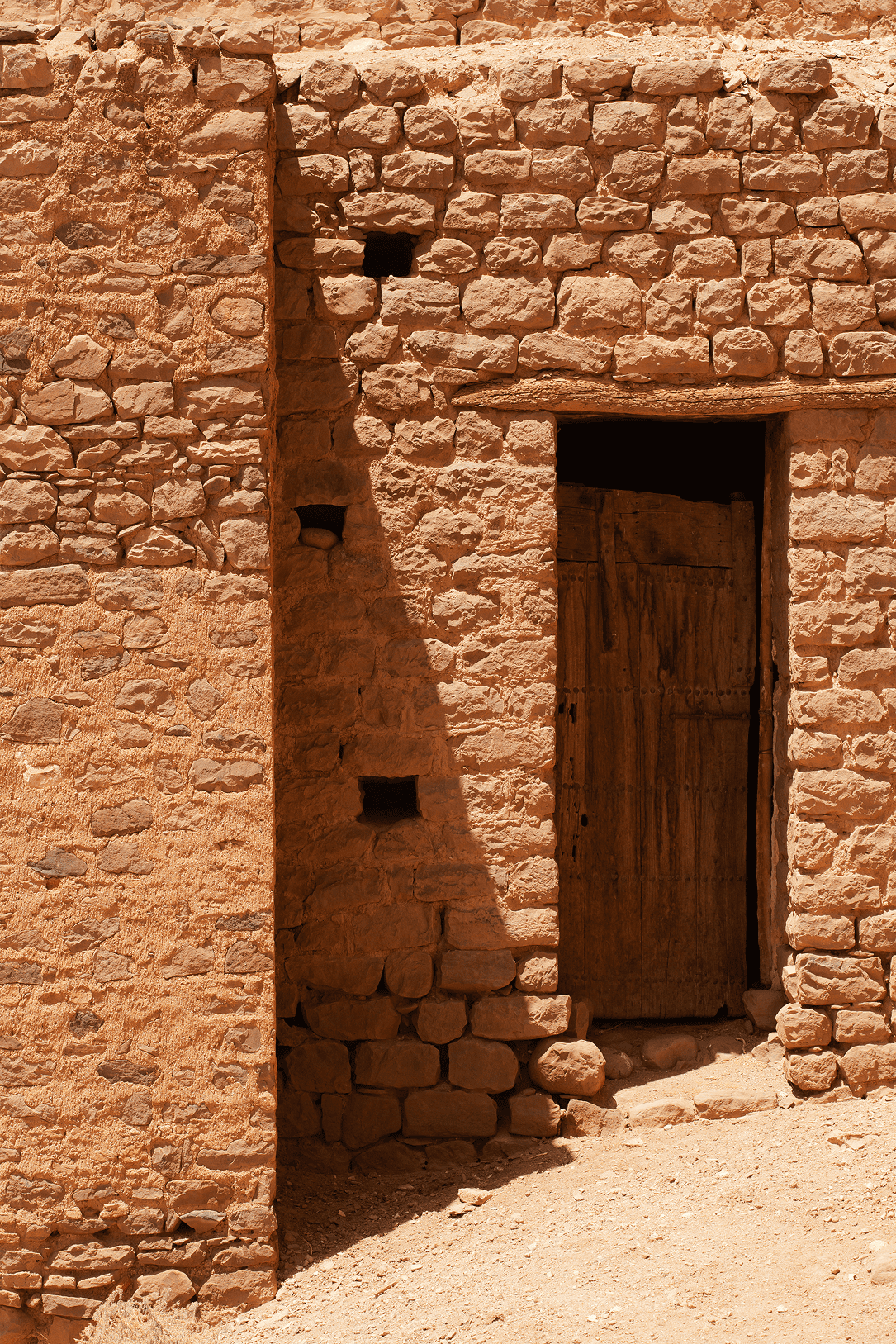
Much of Morocco’s most iconic architecture is made from earth itself.
- Rammed earth (pisé)
- Adobe bricks
- Clay and straw mixtures
These materials are:
- Locally sourced
- Fully biodegradable
- Exceptionally effective at temperature control
When maintained properly, earthen buildings can last centuries—proving that durability doesn’t require industrial materials.
Tadelakt: The Art of Waterproof Earth
Tadelakt is one of Morocco’s most refined architectural techniques.
A lime-based plaster polished with stone and sealed with olive soap, it creates a seamless, waterproof surface used traditionally in hammams, baths, and kitchens.
Why designers love it:
- Soft, organic curves
- No grout lines
- Natural sheen
- Sensory warmth
Tadelakt is both functional and poetic—perfectly aligned with Morocco’s architectural philosophy.
Zellige: Geometry with Meaning
Unlike mass-produced tiles, zellige is handmade.
Each piece is cut by artisans and assembled into complex geometric patterns rooted in Islamic mathematics and symbolism.
Zellige isn’t about perfection—it’s about precision through craft.
Every wall carries the subtle irregularity of human hands.
Architecture That Encourages Stillness
Moroccan spaces are designed to slow people down.
- Courtyards create pause
- Low seating invites rest
- Filtered light softens perception
- Thick walls mute sound
This architecture shapes behavior without instruction. It encourages presence.
Why Moroccan Architecture Feels So Relevant Today
In an era of over-stimulation and disposable design, Morocco’s built environment offers an alternative.
It prioritizes:
- Longevity over novelty
- Sensation over spectacle
- Integration over dominance
For hospitality spaces in particular, these principles feel increasingly essential.
The TIZI Perspective
At TIZI, Moroccan architecture isn’t inspiration—it’s foundation.
Our design approach is rooted in:
- Earthen materials
- Passive cooling
- Courtyard logic
- Subtle, intentional restraint
We don’t replicate tradition.
We continue it—quietly, respectfully, and with purpose.
Frequently Asked Questions About Moroccan Architecture
Is Moroccan architecture sustainable?
Yes. Traditional techniques are inherently low-impact and climate-responsive.
What materials are most commonly used?
Earth, lime, wood, stone, and handmade tile.
Why do Moroccan buildings feel so calm?
They’re designed to regulate temperature, light, and sound naturally.
Can traditional Moroccan design feel modern?
Absolutely. Its principles are timeless and adapt beautifully to contemporary spaces.
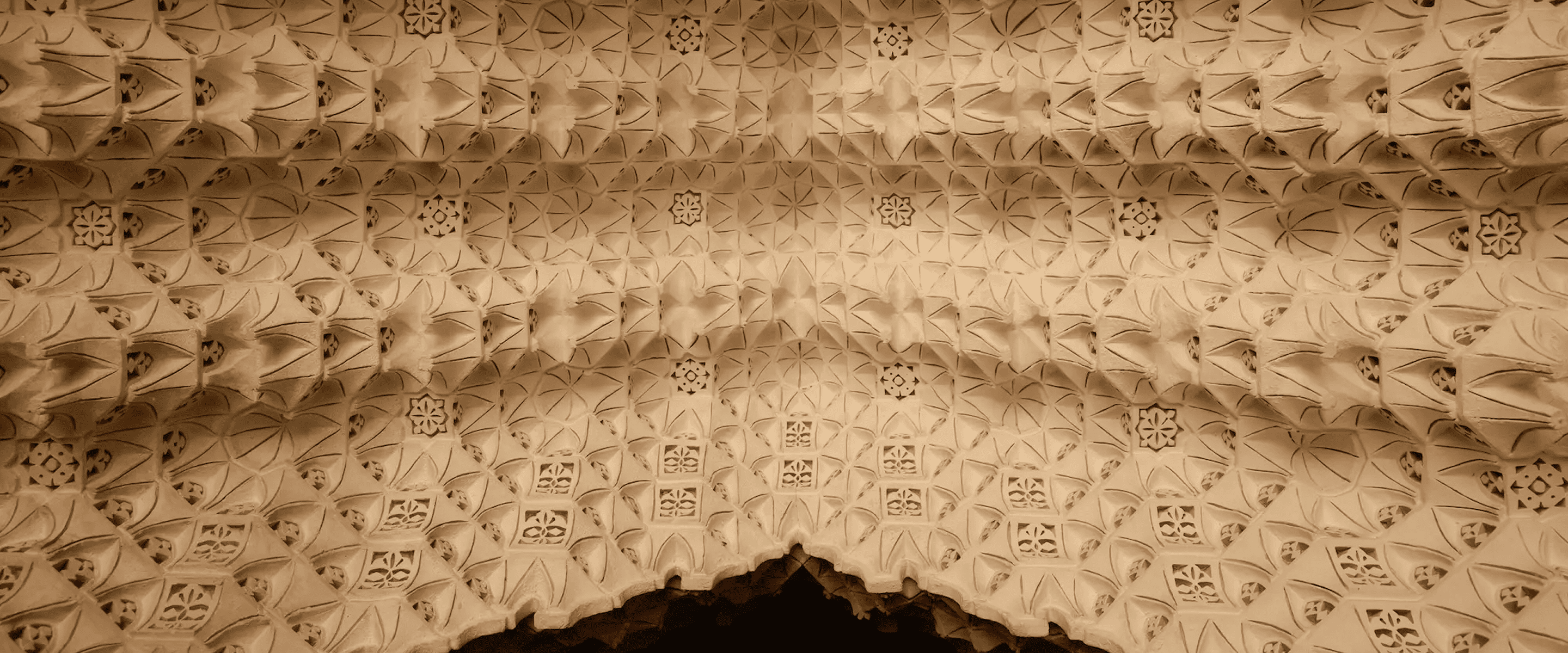
Closing Thought
Moroccan architecture does not chase attention.
It holds space.
It cools heat.
It softens sound.
For those who notice, it teaches a quiet lesson:
The most beautiful buildings are the ones that listen to their environment.
ATLAS RUGS
Discover original, one-of-a-kind Moroccan rugs handwoven in the Atlas Mountains, where tradition, craftsmanship, and storytelling are passed down through generations.
Each rug is made from natural wool, dyed with time-honored techniques, and carries the unique symbols and spirit of the Amazigh artisans who create them.
Sourced directly from small weaving communities, TIZI rugs are authentic, ethical, and imperfect in the most beautiful way-no two are ever the same.